
職場やビジネスで活かす異文化理解
日本で暮らし、働く外国人スタッフのみなさんにとって、日本の日常やビジネスシーンにおける「礼儀やマナー」にはたくさんの「発見」や「驚き」があります。
お辞儀や相槌(あいづち)、電車でのマナー、名刺交換などは、日本人にとっては身近な習慣ですが、外国人の方から見ると相手への思いやりや敬意が詰まった特別な文化に映ります。
今回は、外国人が驚く日本の礼儀・マナーのポイントを解説するとともに、日本で働く外国人のみなさんが仕事や生活で役立つヒントと、企業様が外国人スタッフと円滑なコミュニケーションを築くためのポイントをご紹介します。
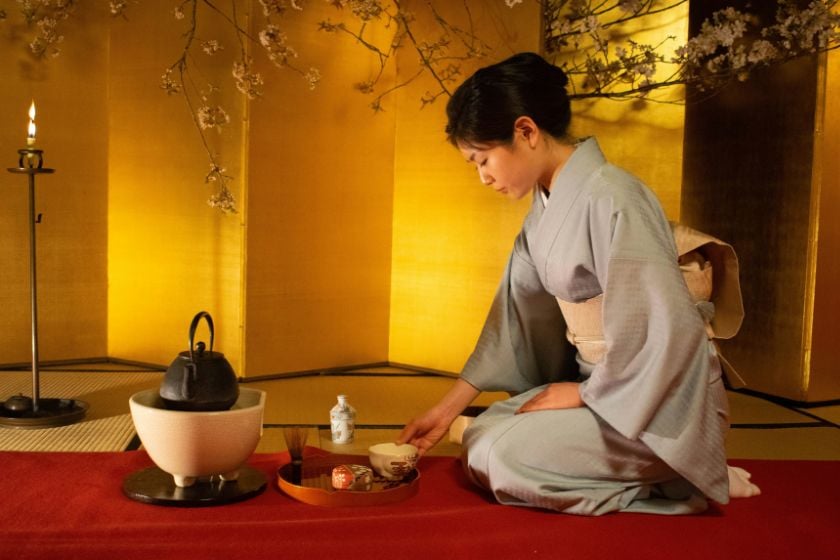
外国人が感銘を受ける!日本の礼儀・マナー4選
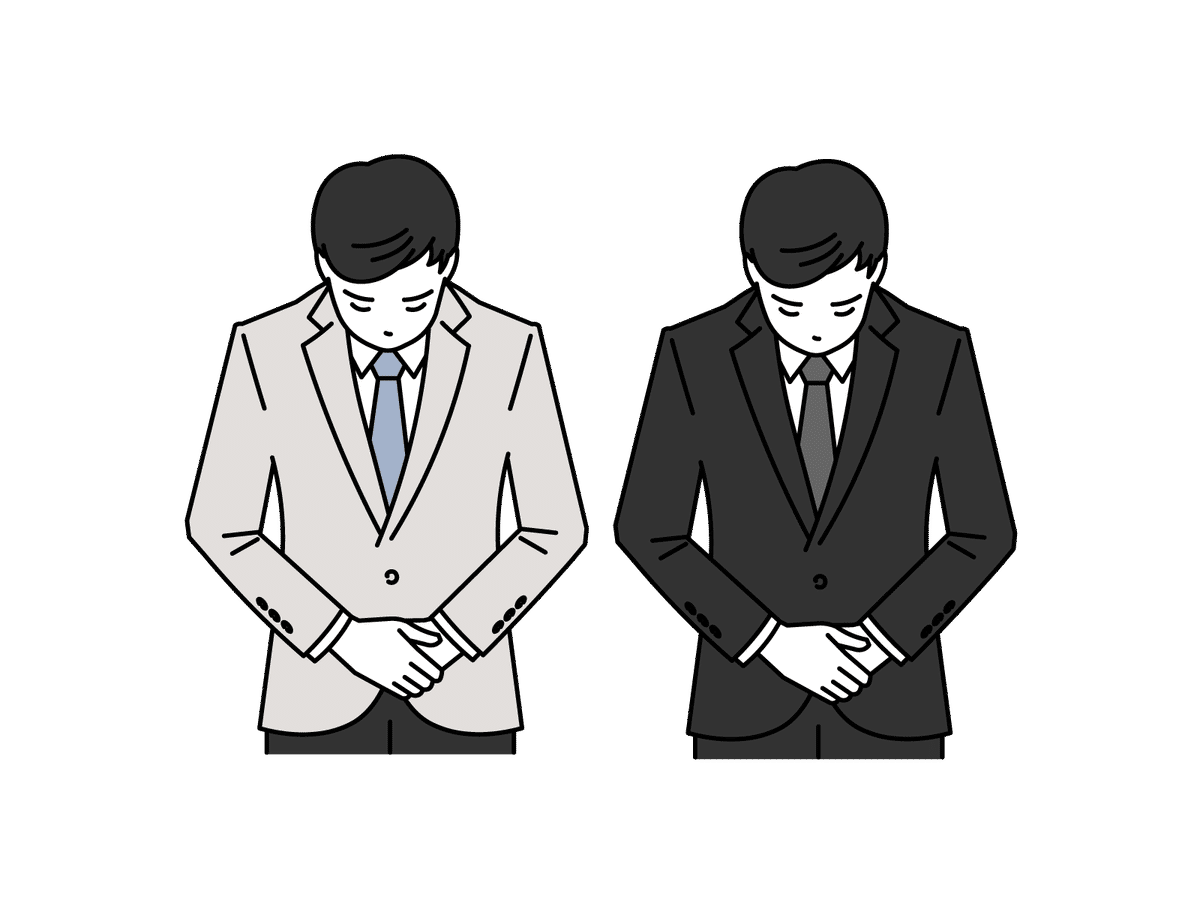
相手への敬意を表す「お辞儀」文化
日本では、挨拶や感謝、謝罪の気持ちを伝える際にお辞儀をします。会釈から最敬礼まで状況に応じて角度を使い分けるのが特徴です。立場に関係なくお互いに頭を下げる姿勢は、日本人の誠実さや配慮の表れとして海外からも高く評価されています。
安心感を生むコミュニケーション「相槌(あいづち)」
会話の途中で「はい」「そうですね」とうなずいたり声を挟んだりする相槌は、「話をしっかり聞いています」という意思表示です。海外では話が終わるまで無言で聞く文化もあるため、日本の相槌は「優しく安心感のあるコミュニケーション」として好印象を与えます。

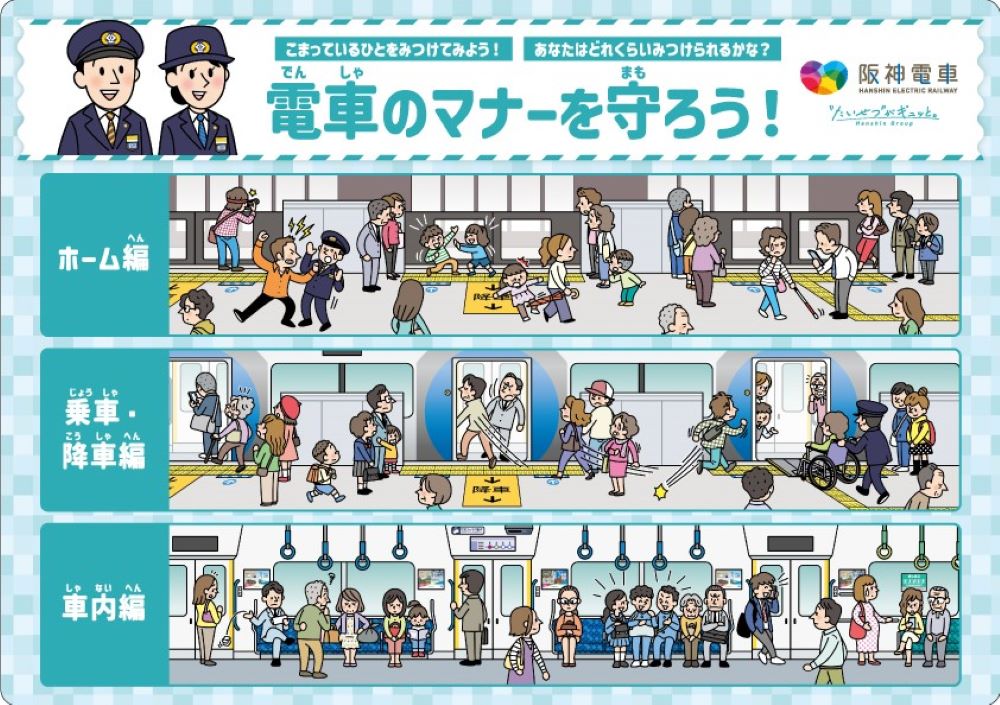
世界が驚く「電車の乗車マナーと整然とした秩序」
整列乗車、車内での通話自粛、静かな空間づくり、ゴミの持ち帰りなど、日本の電車マナーは世界でもトップクラスの快適さを誇ります。これは単なるルールではなく、「周囲の人に迷惑をかけない」という公共の思いやり精神から成り立っています。
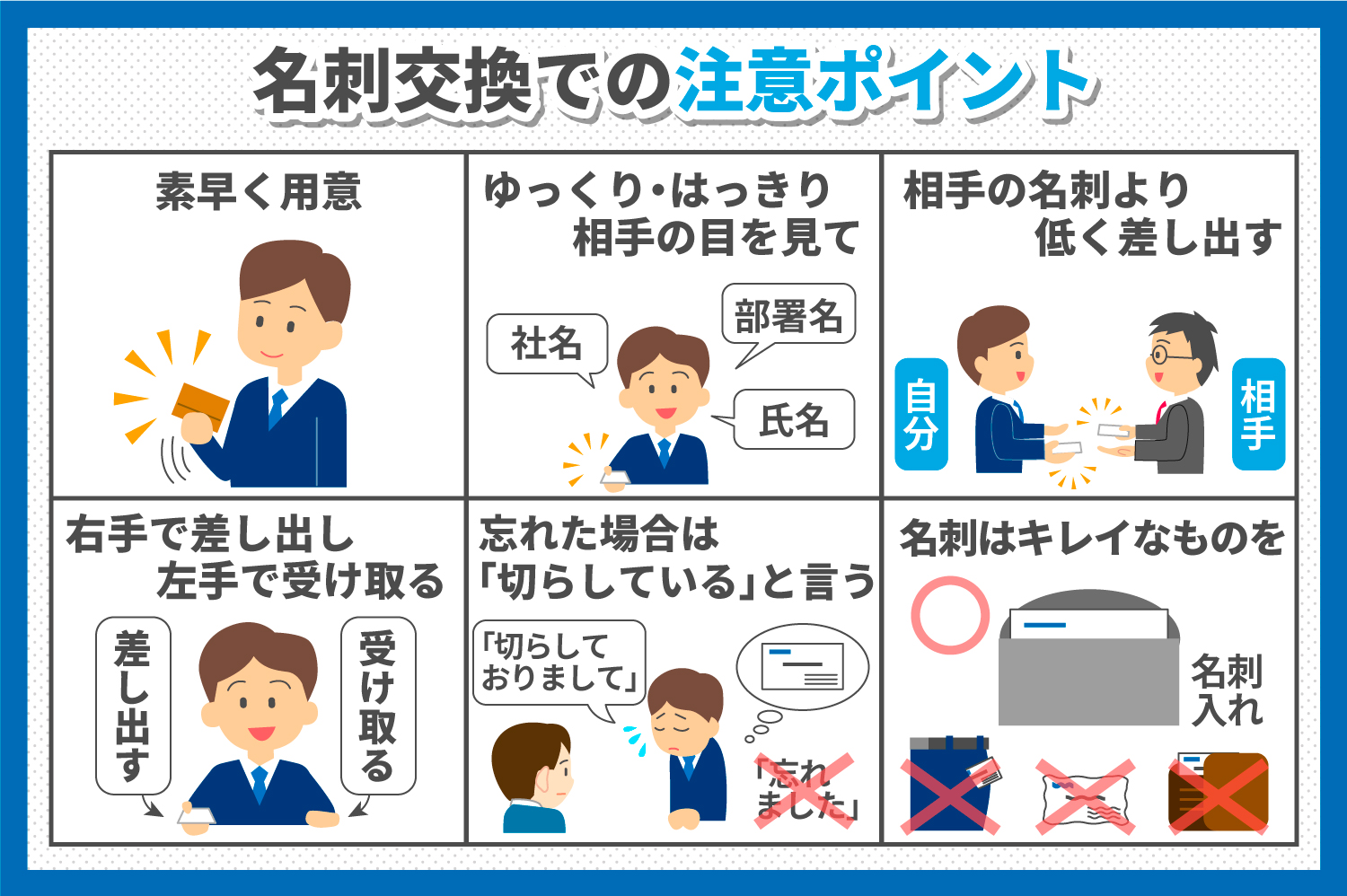
相手を尊重する「ビジネスシーンでの名刺交換」
日本のビジネスでは、名刺を「相手の分身」のように大切に扱います。両手で受け取り、商談中は丁寧に並べて置く作法は、相手への敬意を表す重要なプロセスです。単なる連絡先交換ではなく、信頼関係を築く第一歩として定着しています。
【外国人求職者のみなさんへ】日本のマナーを身につけて仕事で活躍しよう!
日本のビジネスマナーや日常の礼儀を知っておくと、職場の同僚や取引先からの信頼が一気に高まり、仕事がぐっとスムーズになります!
・挨拶やお辞儀、相槌から始めてみよう
難しい敬語が話せなくても、「笑顔で挨拶をする」「しっかりうなずいて話を聞く」だけで、相手に良い印象を与えることができます。
・ビジネスシーンのマナーも少しずつ覚えれば大丈夫
名刺交換や職場でのマナーは、入社後に少しずつ覚えていけば問題ありません。
分からないことがあっても親身にサポートしますのでご安心ください。
★タカラエージェントは、みなさんの日本での就職と生活を応援します!
ベトナム、ミャンマー、ネパール、英語など母国語が話せるスタッフが多数在籍!お仕事探しはもちろん。面接対策やビジネスマナーのアドバイス、入社後の定期面談まで丁寧にフォローします。特定技能や派遣のお仕事をお探しの方は、ぜひお気軽にご相談ください。
【企業の担当者様へ】マナー指導とコミュニケーション円滑化のポイント
外国人スタッフ(特定技能・派遣社員等)を受け入れる際、日本のビジネスマナーやコミュニケーション手法の「背景にある考え方」を共有することが、双方のストレス軽減と早期定着につながります。
・「なぜそのマナーが必要か」背景を伝える
単に「静かにする」「両手で渡す」と指示するだけでなく、「相手に敬意を伝えるため」「周りの人が気持ちよく過ごすため」という目的を伝えることで、外国人スタッフも深く納得して実践できるようになります。
・文化によるコミュニケーションギャップを理解する
例えば「相槌がない=話を聞いていない」と受け取るのではなく、母国の文化では話が終わるまで黙って聞くのがマナーである場合もあります。お互いの文化の違いを把握した上で、優しくフィードバックを行うことが大切です。
まとめ:礼儀と思いやりを共有し、信頼で結ばれる職場へ
お辞儀や相槌、名刺交換など、日本のマナーの根底には「相手を思いやり、尊重する心」が流れています。
株式会社タカラエージェントでは、登録支援機関としての手厚い定着支援・生活指導と、自社行政書士による安心の手続きで、全国の企業様と外国人求職者様をつなぐサポートを行っています。
・外国人材の採用や受け入れ後のマナー研修・定着支援でお悩みの企業様
・日本で特定技能や派遣の仕事を探している外国人のみなさん
まずはお気軽にタカラエージェントまでお問い合わせください!
Introduction
For international staff living and working in Japan, Japanese daily customs and business etiquette offer many fresh discoveries.
Practices like bowing, nodding in conversation (aizuchi), train etiquette, and exchanging business cards may feel second nature to Japanese people. However, to those from other countries, they reflect a unique culture deeply rooted in respect and thoughtfulness.
In this article, we will explore Japanese manners that surprise visitors from abroad, along with practical tips for international workers and key insights for employers to build smooth, effective workplace communication.
Japanese Manners That Impress Foreigners
1. Bowing: A Culture of Showing Respect
In Japan, bowing is a fundamental way to convey greetings, gratitude, or apologies. Depending on the situation, the angle of the bow changes—from a light nod of the head to a deep, formal bow. Respecting others by bowing regardless of status or position is widely admired internationally as a sign of sincerity and consideration.
2. Aizuchi: Conversational Nodding That Creates Trust
Interjecting with quick nods or words like "Yes" (Hai) or "I see" (So desu ne) during a conversation is known as aizuchi. It serves as an active signal that you are listening attentively, creating a sense of reassurance for the speaker. While waiting silently until someone finishes talking is standard in some cultures, Japanese-style conversational nods build warmth and mutual trust.
3. World-Renowned Train Etiquette and Order
Forming neat lines to board, refraining from phone calls, keeping voices low, and taking trash home—Japanese train etiquette is globally recognized for its exceptional comfort and order. Rather than just following strict rules, these practices stem from a shared consideration for others in public spaces.
4. Business Card Exchange: Showing Respect from Day One
In Japanese business culture, a business card is treated as an extension of the person itself. Receiving cards with both hands and arranging them neatly on the table during meetings demonstrates respect for your counterpart. It is not just a swap of contact info, but an essential first step in building a trust-based relationship.
For International Job Seekers: Master Japanese Manners to Succeed at Work!
Understanding everyday etiquette and workplace manners in Japan will boost trust with your colleagues and clients, making your work go much smoother!
-
Start with basic greetings, bowing, and active listening
Even if you are not fluent in formal Japanese (keigo), simply greeting people with a smile and nodding attentively when listening makes a great first impression.
-
Learn business etiquette step by step
You don't need to know everything on day one. Business card etiquette and office manners can be learned gradually after you start. If you ever have questions, we are always here to support you!
★ TAKARA AGENT is here to support your career and life in Japan!
We have multi-lingual staff fluent in Vietnamese, Burmese, Nepali, English, and more! From job placement and interview prep to workplace etiquette advice and post-hiring check-ins, we guide you every step of the way. If you are looking for Specified Skilled Worker (SSW) or dispatch opportunities, feel free to contact us!
For Employers & Hiring Managers: Tips for Teaching Manners & Smooth Communication
When welcoming international team members (SSW or dispatch workers), sharing the underlying values behind Japanese etiquette is key to reducing stress for both sides and encouraging long-term retention.
-
Explain the "Why" behind the manners
Instead of simply instructing staff to "be quiet" or "use both hands," explain the intent—such as showing respect or maintaining a comfortable environment for everyone. When team members understand the reason, they adopt the habits much more naturally.
-
Understand cultural communication gaps
If a staff member doesn't use aizuchi, it doesn't mean they aren't listening. In many cultures, listening in complete silence is considered polite. Recognizing these cultural differences allows managers to provide helpful, constructive feedback without misunderstandings.
Summary: Sharing Courtesy and Thoughtfulness to Build a Trusted Workplace
At the heart of Japanese etiquette—whether bowing, nodding, or exchanging business cards—is a spirit of mutual respect and consideration.
At TAKARA AGENT, as a certified Registered Support Organization with in-house administrative scriveners (Gyoseishoshi), we provide end-to-end legal procedures and comprehensive life and workplace orientation to connect businesses and international talent across Japan.
-
Companies seeking support with hiring, onboarding, or retention strategies
-
International job seekers looking for Specified Skilled Worker or dispatch jobs
Contact TAKARA AGENT today to learn how we can help!